This side hustle model has a lower failure rate than most independent startups. You get to follow a proven playbook for success. But is it the right path for you?
Today we’re exploring the strategy of franchises as a side hustle, buying into somebody else’s brand and system instead of starting completely from scratch.
Done right, today’s guest says it can replace your income in 2 to 3 years on a part-time basis.
Greg Mohr is the author of Real Freedom, Why Franchises Are Worth Considering and How They Can Be Used for Building Wealth. He runs FranchiseMaven.com.
Tune in to Episode 718 of the Side Hustle Show to learn:
- how franchises can work as a semi-passive side hustle
- what industries offer the best opportunities
- the real costs and financing options
Download Your Free Franchise Ideas Bonus
Franchise Inspiration: 50 Real-Life Examples
Enter your email to get 50 real franchises w/ approximate startup costs and earning power now:
You'll also receive my best side hustle tips and weekly-ish newsletter. Opt-out anytime.
Can You Actually Run a Franchise Part-Time?

The short answer is yes, but it depends on the franchise.
The key is finding what’s called a semi-passive or semi-absentee franchise, where you’re not the one doing the work. You’re managing the business or hiring a manager to run it.
Greg recommends talking to at least 10 current franchisees who are running the business semi-passively to understand what the time commitment really looks like.
“Each individual franchise is going to be a little bit different,” Greg said. “The best way to do that is talk to at least 10 current franchisees who are operating that business semi-passive and find out from them what did that really encompass…”
Real Examples of Semi-Passive Franchises
Greg shared a few examples from his clients:
The Symphony Orchestra Director
A guy who runs the symphony orchestra in Houston wanted something semi-passive. He got into a fitness franchise because it was his passion and the business model fit what he was looking for. He’s now on the path to stepping away from his day job.
Real Estate Investors
Many real estate investors look for service-based franchises they can run semi-passively, similar to how they manage rental properties. Greg mentioned heating and air conditioning, plumbing, electrical, and restoration services as great options.
What Industries Work Best for Part-Time Operators?
If you want a franchise that makes good money, look at services people need every single day.
Greg’s top recommendations:
- Heating and Air Conditioning (HVAC): Everyone needs this every day, which means a large potential client base.
- Plumbing and Electrical Services: Essential services with consistent demand.
- Senior Care: Mostly private pay (people already have the money), and it’s a growing market.
- Tutoring: Parents always want to help their kids get the best education.
- Health and Wellness: Everyone needs it every day.
These industries are fragmented, meaning no single company has a huge market share. That creates opportunity for franchise brands to grow.
What to Look for in a Service Franchise
When evaluating service franchises, Greg recommends checking if they have a call center. You don’t want to be the one fielding phone calls all day, even if you have a manager.
To reduce risk, look for franchises with 100 or more franchisees. Out of 4,000 franchises in the US, only 5% to 10% reach that level.
You can also look at franchise groups that own multiple brands:
- Authority Brands: Includes Mr. Sparky, One-Hour Heating and Air Conditioning, Benjamin Franklin Plumbing, and Monster Tree Service.
- Neighborly Brands: The largest home services franchise group in the US, with brands like Molly Maid and The Ground Guys.
- Belfor Group: The largest restoration company in the world. They handle disaster cleanup (like after Hurricane Katrina) and own brands like 1-800 Water Damage.
Do You Need to Know How to Do the Work?
No.
The franchisor doesn’t want you working in the business. They want you working on the business, growing it.
Greg gave the example of 1-800 Water Damage (which is kinda similar to Brian Scudamore’s 1800-GOT-JUNK). When new franchisees come on, the company will literally flood a room and show them how the work gets done. But that’s probably the only time you’ll ever do it yourself.
From there, you hire people to do the work while you focus on building the business.
Why Pay a Franchise Fee Instead of Starting From Scratch?
This is the big question: If you have to go out and get clients anyway, why not just do it yourself?
Well, the franchise has already made all the mistakes for you.
They’ve figured out:
- Where to find employees
- What questions to ask in interviews
- What marketing works
- What systems and processes to use
The goal is to get you where you want to be 2 to 3 years quicker than if you figured it all out on your own.
“Before they became a franchise, they proved that they can build it and replicate it,” Greg said. “You want them to get you there to where you want to be two to three years quicker than if you were to do it yourself.”
The Real Costs of Getting Started
Most franchises charge a franchise fee around $50,000, give or take.
But that’s not the only cost. You also need to factor in:
- Equipment or vehicles (for service businesses)
- Marketing and advertising budget
- Office space (if needed)
- Initial payroll for employees or managers
For many service-based franchises, you’re looking at a total investment of around $150,000 to $200,000.
On top of the upfront costs, you’ll also pay ongoing royalties of 5 to 10% of your revenue.
Financing Options
Most people don’t pay cash. Instead, they use financing:
SBA Loans
For a service business needing around $150,000 to $200,000, you can get an SBA express loan. You put down about $20,000, and the bank loans you the rest.
For brick-and-mortar businesses requiring more money, you might need a 7(a) loan, which could require 10 to 20% down.
401(k) Rollover
If you have a 401(k) or IRA from a previous employer, you can roll it over into a self-directed plan and use that money to fund your business. There are no penalties.
Here’s how it works: You create a C corporation for your business. Your self-directed 401(k) buys stock in that corporation. The money moves from your 401(k) into your business checking account, and you write yourself a stock certificate.
Greg used this method to start his own business. He paid about $5,000 upfront to set it up and $150 per month in administration fees.
A Real-World Example: Senior Care
Greg walked through the numbers on a senior care franchise to show what’s possible.
This is a mobile service where you send caregivers into people’s homes to help keep their parents or grandparents at home longer before they need assisted living.
- Total Investment: Around $150,000 to $200,000. This covers your franchise fee, a small office, initial staffing, and training.
- Revenue at Scale: Once you build up to about 50 seniors (which takes a couple of years), you’re bringing in around $1 million in annual revenue.
- Profit: After all expenses, you’re netting about $200,000 per year. If you hire a manager at $50,000 per year, you’re still taking home $150,000.
- Time Commitment: With a manager running day-to-day operations, you’re working more on the business than in it.
You could even run this remotely if you wanted. The only reason to have an office is for meeting with caregivers occasionally, but you could rent a Regus office once a month or meet elsewhere.
Why Senior Care Works
People aren’t hiring you because of the franchise name. They’re hiring you because they trust you.
“The people that are putting mom and dad in your care are more concerned about how they feel about Nick, not about the brand,” Greg said.
This is why being local matters so much. You’re building your own reputation in your community.
Where to Start Your Franchise Research
There are about 4,000 franchises in the US. Unlike real estate, where you can go to a single website and see all the listings, there’s no central database for franchises.
This is where a franchise consultant like Greg comes in. They help narrow down options based on your goals, budget, and interests.
The consultant is paid by the franchisor if you decide to invest, so there’s no cost to you as the buyer.
Greg mentioned that out of every four people he introduces to a franchise, three will say no. And that’s okay. The goal is to find the right fit, not to pressure anyone.
How to Vet a Franchise
Greg’s due diligence process involves three main steps:
1. Read the Franchise Disclosure Document (FDD)
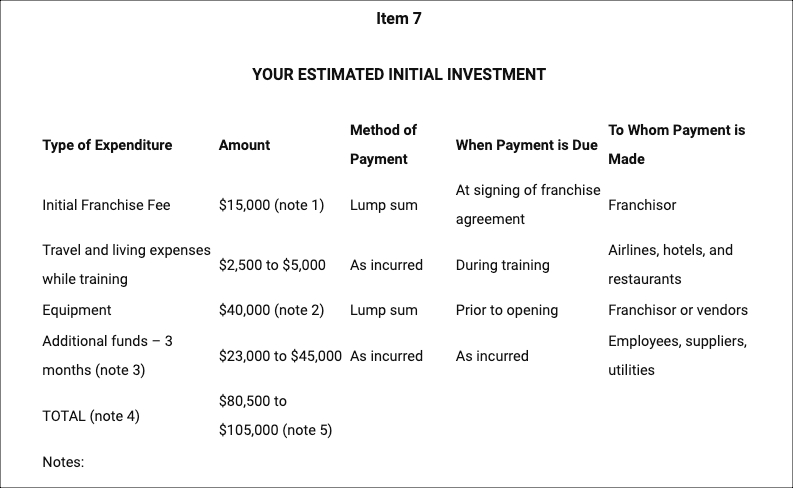
Item 7 breaks down the total investment. Item 20 shows how many franchisees started the business and are still running it versus how many left.
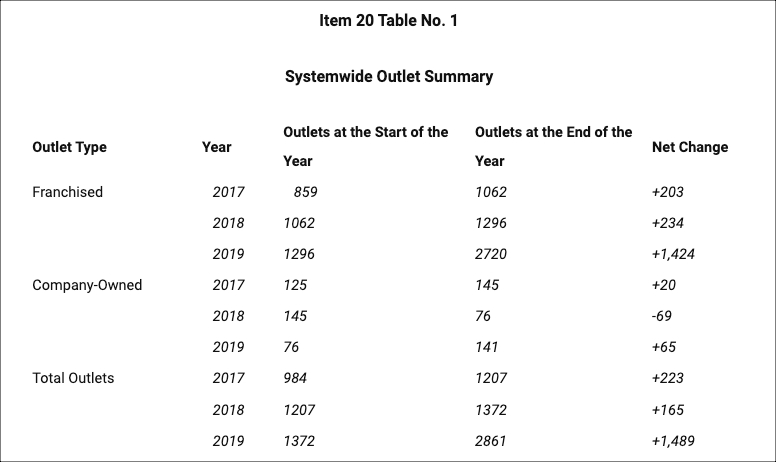
You want to see a 85 to 90% success rate or better.
2. Talk to Current Franchisees
Talk to at least 10 franchisees. Ask them:
- How many hours per week do you actually work?
- Did the startup costs match what the franchisor said?
- How long did it take to break even?
- What does the franchisor still do to help you today?
3. Build Out Your Pro Forma
Work with the franchisor and franchisees to create a realistic projection:
- How many clients will I get in month 1, month 6, year 1, year 2?
- What are my total expenses (loan payments, payroll, marketing)?
- When will I break even?
- When will I hit profitability?
“You’re not wondering, you’re not guessing,” Greg said. “It’s been done before. This is how they did it. This is where I’m going to hit breakeven. This is where I’m going to hit profit. You want to know that before you sign anything or make any investments.”
What Makes Some Franchisees More Successful?
Greg shared an example of a woman who bought a Mr. Sparky electrical franchise. She not only hit her targets but was named Rookie of the Year.
What did she do differently?
She hired the right manager right away.
For electrical services, you need a master electrician. These are people who are great at their trade but often don’t want to run a business. They don’t want to deal with marketing, hiring, or managing clients.
The successful franchisees find these skilled workers and give them steady income and support while they focus on growing the business.
“The reason they would go with you is because you know how to build a business and you know how to work with people,” Greg said.
Common Mistakes to Avoid
Don’t Chase Trends
A few years ago, frozen yogurt shops were everywhere. Then they disappeared.
If you’re new to franchising, stick with proven businesses that have 100 or more franchisees. Emerging franchises can be great if you want to help shape the brand, but they come with more risk.
Look at the Business Model Long-Term
Ask yourself: What has this business done in the past? Where is it now? Where do I see it going in the future?
Make sure it’s something people will need for years to come, not just what’s trendy right now.
Building Equity and Long-Term Wealth
Franchises aren’t just about building near-term cash flow. You’re also building an asset you can sell.
Franchises typically sell for three times net profit plus equipment.
When you decide to sell, the first thing you do is tell your franchisor. They’ll reach out to other franchisees in the area to see if anyone wants to expand.
Most of the time, another franchisee picks it up because they’re already proven in the system.
Greg shared an example of a doctor who wanted to help underprivileged people who couldn’t afford medical care. His plan was to buy 100 Supercuts franchises. He started by buying 20 locations, then hired regional managers for every seven salons as he scaled to 100.
He also shared a client who got into a senior care franchise and after two years said, “I’m bored. This thing runs like clockwork. Let’s go find me something else.”
“That’s a good problem to have,” Greg said.
What’s Next for Greg?
Greg is trying something new this year: a mastermind program for people who want to evaluate a franchise they’ve already found but don’t work with him directly.
The program teaches people how to investigate a franchise, connect with others going through the process, and get Greg’s guidance without the full consulting engagement.
He also helps people who have an existing business and want to turn it into a franchise.
Greg’s #1 Tip for Side Hustle Nation
“There’s probably a franchise out there for everybody, but everybody is not for franchising.”
Episode Links
- Real Freedom, Why Franchises Are Worth Considering and How They Can Be Used for Building Wealth
- FranchiseMaven.com
- Authority Brands
- Mr. Sparky
- One-Hour Heating and Air Conditioning
- Benjamin Franklin Plumbing
- Monster Tree Service
- Neighborly Brands
- Molly Maid
- The Ground Guys
- Belfor Group
- 1-800 Water Damage
- Brian Scudamore’s 1-800-GOT-JUNK
- Regus office
- How to Start a Tutoring Business: How I Earn $1000/week Tutoring for the ACT
Looking for More Side Hustle Help?
- Download The Side Hustle Show. My free podcast shares hundreds of side hustle ideas to make extra money.
- Start Your Free $500 Challenge. My free 5-day email course shows you how to add $500 to your bottom line.
- Join the free Side Hustle Nation Community. The free Facebook group is the best place to connect with other side hustlers and get your questions answered.

The award-winning Side Hustle Show is the #1 side hustle podcast
with over 1,300 5-star ratings!

Listen in your favorite podcast app or directly in your browser.